Author: HelpMate Solutions Sdn Bhd

  • Cultural Exchange Reflects the Depth of Malaysia–Indonesia Relations

    Cultural Exchange Reflects the Depth of Malaysia–Indonesia Relations

    Image Sources: The Star

    Cultural Exchange Reflects the Depth of Malaysia–Indonesia Relations

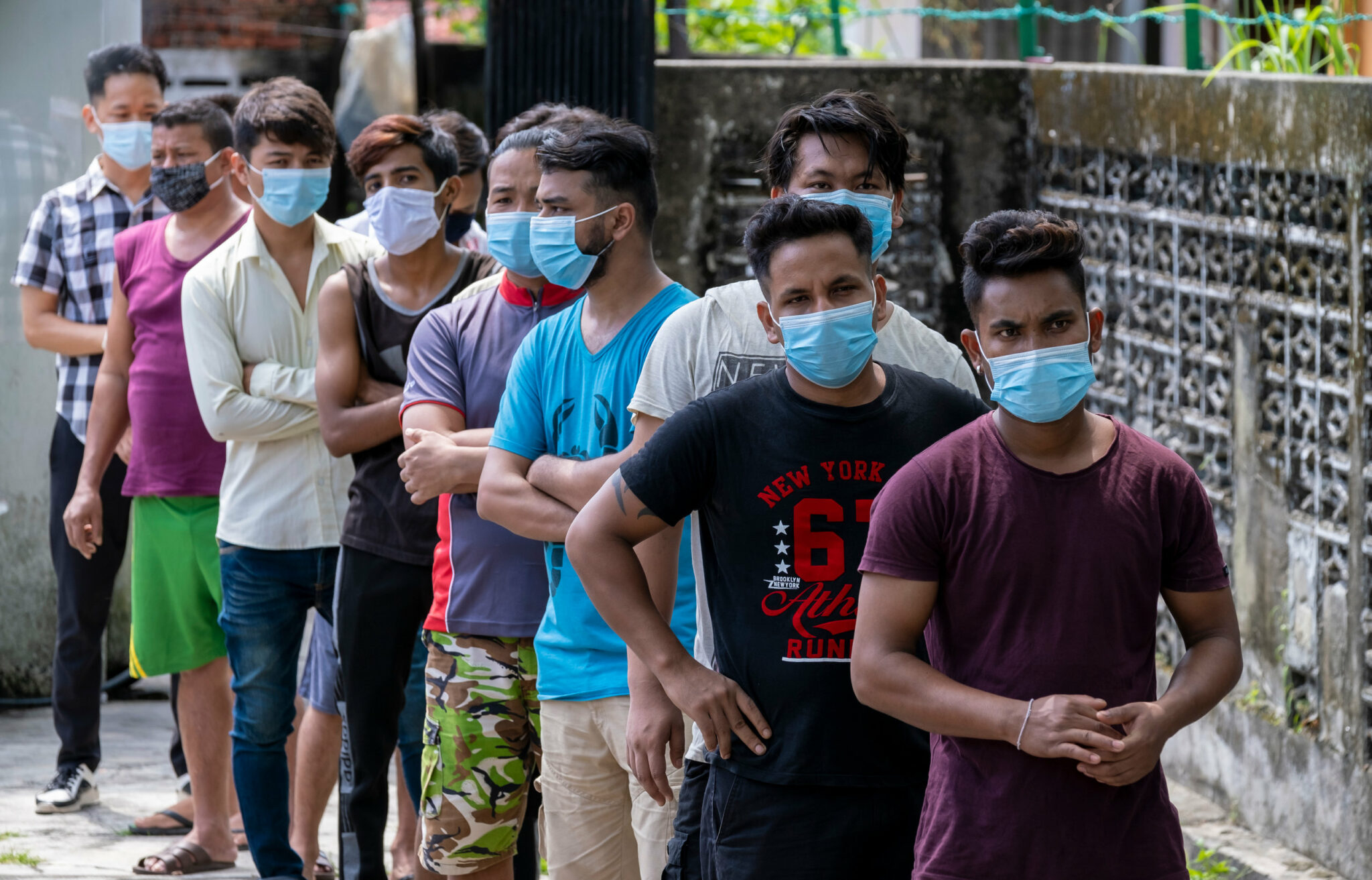
    Cultural exchanges continue to play a key role in strengthening Malaysia–Indonesia relations. Shared culinary traditions, cultural festivals, and community engagement highlight deep historical and social connections between both nations.

    Such soft-diplomacy initiatives reinforce mutual understanding and trust, complementing formal diplomatic and economic cooperation.

    💡 Industry Insight

    Strong cultural affinity supports smoother people-to-people interaction — an often-overlooked factor in workforce integration and cross-border employment sustainability.


    Helpmate Solutions continuously tracks manpower and policy updates,
    providing clients with timely and reliable policy insights through our PR network and research.

    Stay informed · Stay compliant · Stay ahead

  • Malaysia and Indonesia Mark a Year of Strengthened Partnership

    Malaysia and Indonesia Mark a Year of Strengthened Partnership

    Image Sources: The Star

    Bangladesh Strengthens Overseas Employment Strategy Amid Rising Global Demand

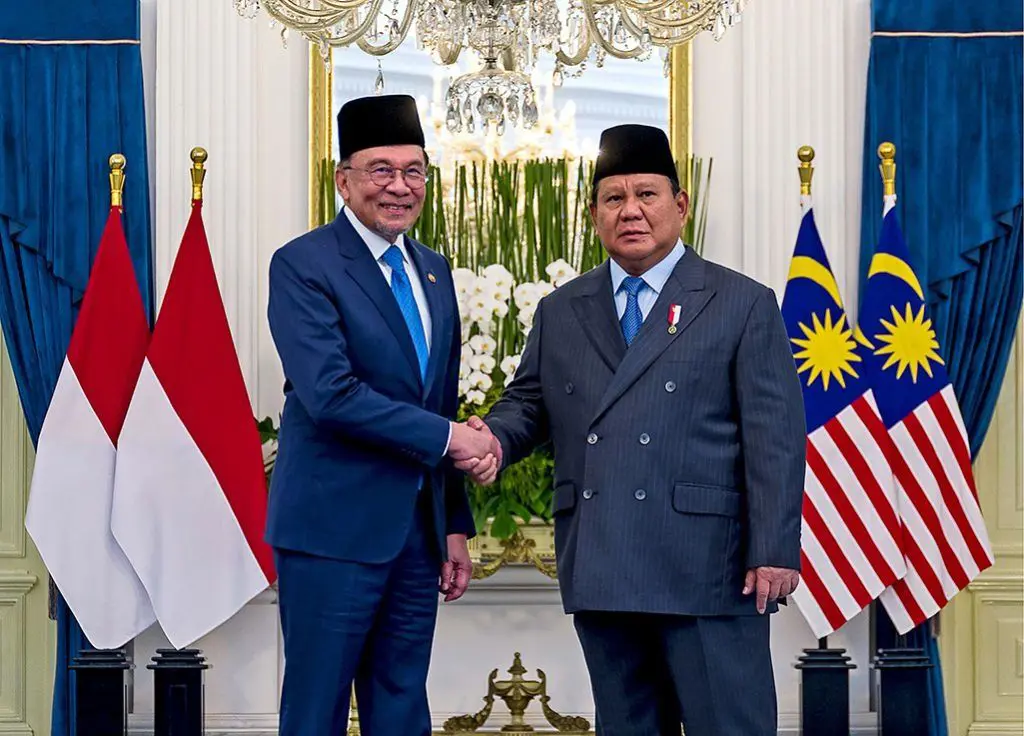
    Malaysia and Indonesia celebrated a year of strengthened bilateral relations in 2025, marked by expanded cooperation across diplomacy, economy, education, and people-to-people exchanges. High-level engagements reaffirmed shared commitments to ASEAN unity, regional stability, and sustainable development.

    Beyond diplomacy, cooperation also extends to workforce mobility, education exchanges, and policy coordination — areas that directly influence labour movement and cross-border employment frameworks.

    💡 Industry Insight

    Strong bilateral ties support policy stability and labour coordination, creating a more predictable environment for regulated workforce mobility between both nations.


    Helpmate Solutions continuously tracks manpower and policy updates,
    providing clients with timely and reliable policy insights through our PR network and research.

    Stay informed · Stay compliant · Stay ahead

  • Bangladesh Strengthens Overseas Employment Strategy Amid Rising Global Demand

    Bangladesh Strengthens Overseas Employment Strategy Amid Rising Global Demand

    Image Sources: BBS

    Bangladesh Strengthens Overseas Employment Strategy Amid Rising Global Demand

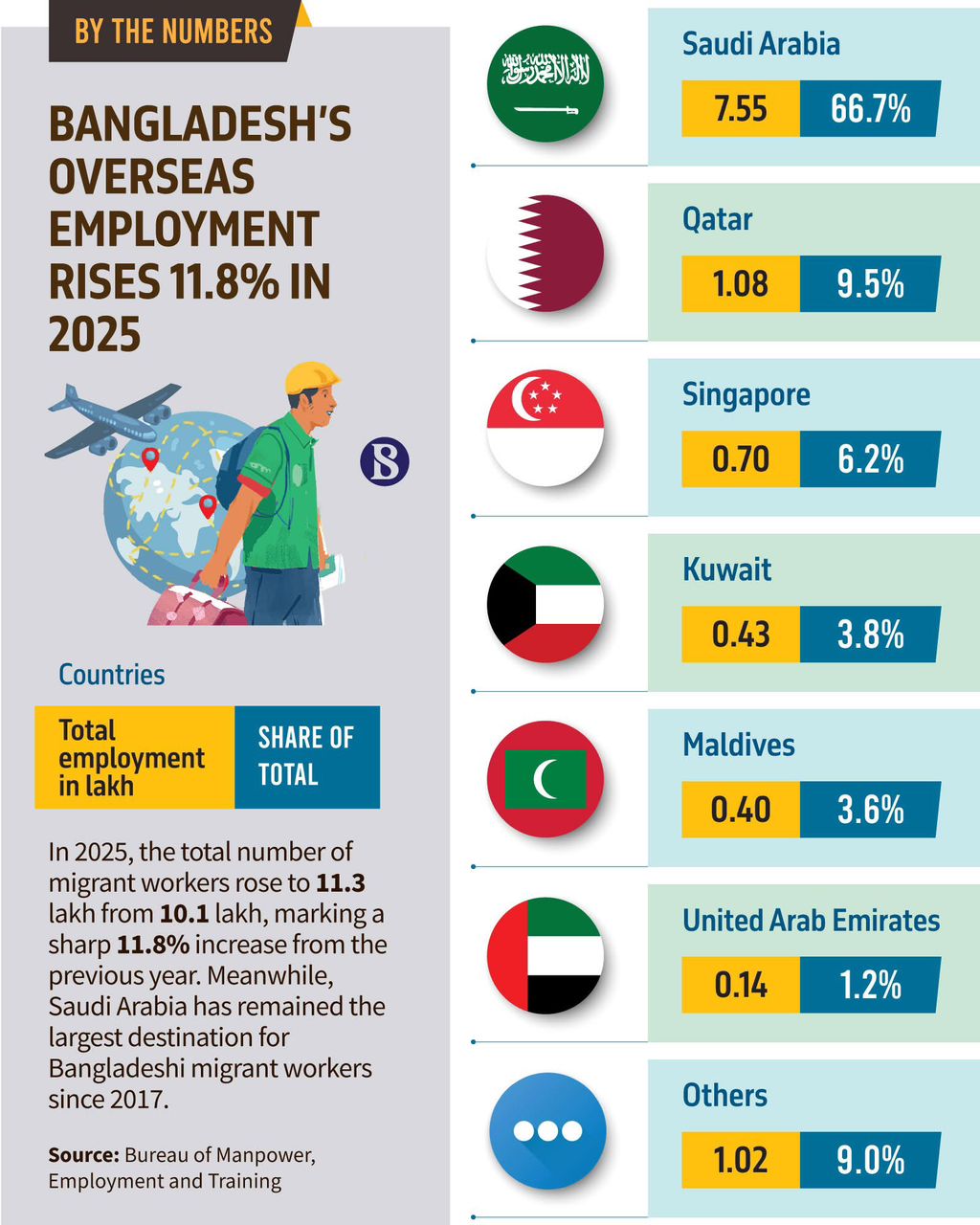
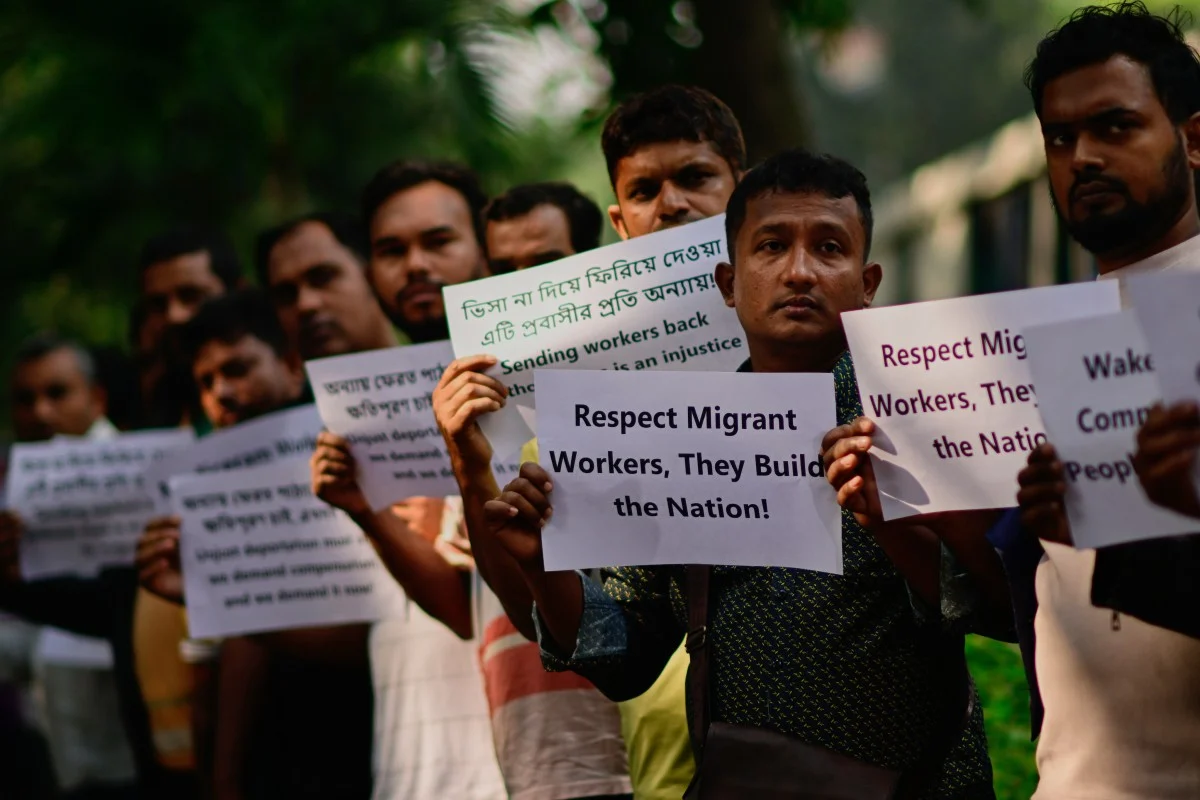
    Bangladesh is intensifying efforts to strengthen its overseas employment framework as demand for migrant workers continues to rise across Asia and the Middle East. According to official statements, the government is focusing on improving governance, skills development, and bilateral coordination to ensure safer and more sustainable labour migration.

    Key priorities include tighter regulation of recruiting agencies, enhanced worker training programmes, and improved monitoring of overseas placements. Authorities also highlighted the importance of protecting migrant workers’ rights while ensuring destination countries receive skilled and compliant manpower.

    This move comes as remittance inflows remain a critical pillar of Bangladesh’s economy, reinforcing the need for structured and transparent labour export mechanisms.

    💡 Industry Insight

    For destination countries like Malaysia, this signals a stronger emphasis on regulated recruitment channels and government-to-government cooperation, potentially reducing irregular hiring risks while raising compliance expectations for employers.


    Helpmate Solutions continuously tracks manpower and policy updates,
    providing clients with timely and reliable policy insights through our PR network and research.

    Stay informed · Stay compliant · Stay ahead
  • UN Experts Flag Widespread Exploitation of Bangladeshi Migrant Workers in Malaysia

    UN Experts Flag Widespread Exploitation of Bangladeshi Migrant Workers in Malaysia

    Image sources: South China Morning Post

    UN Experts Flag Widespread Exploitation of Bangladeshi Migrant Workers in Malaysia

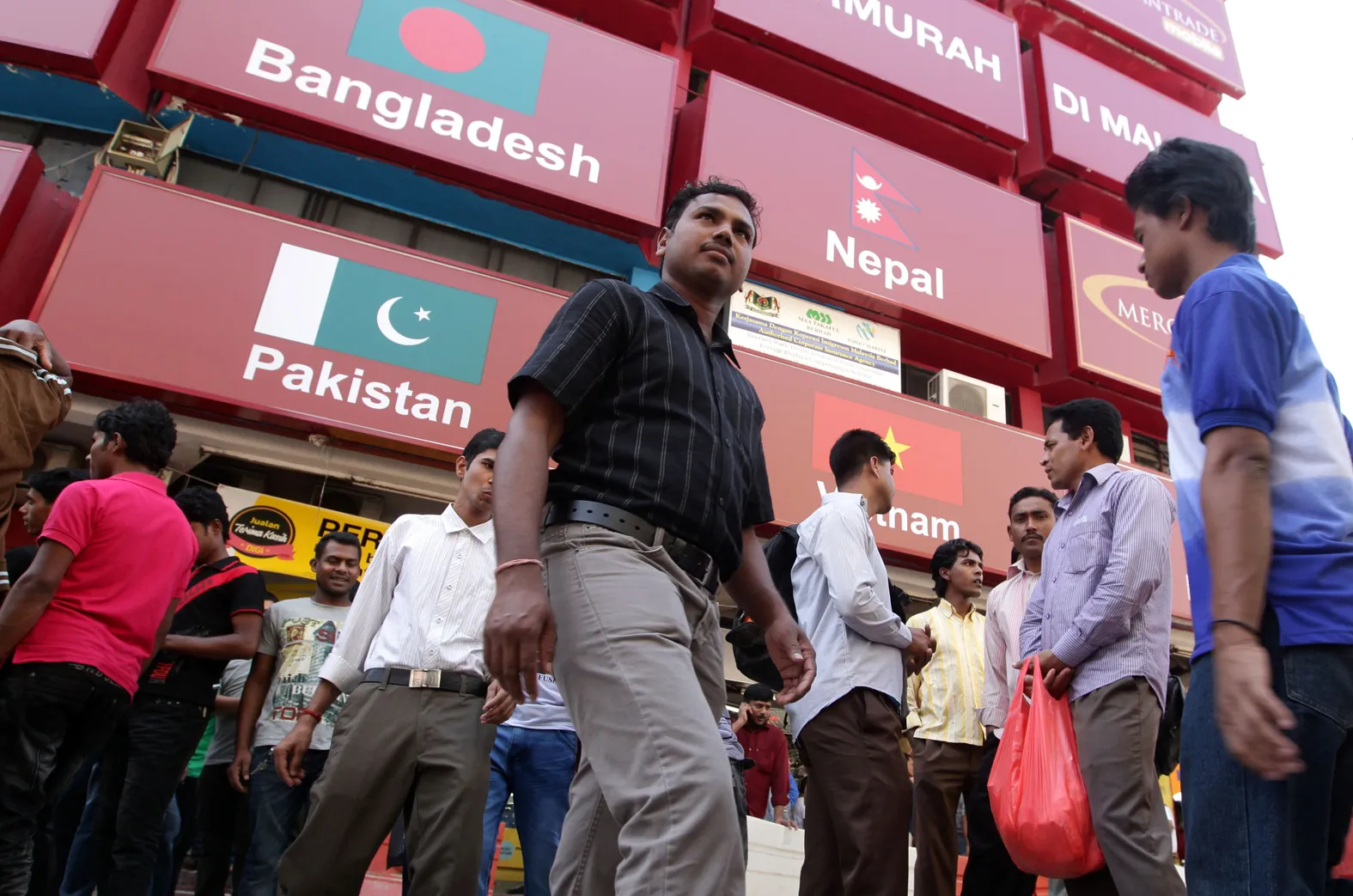
    United Nations human-rights experts have issued serious warnings about “widespread and systematic” exploitation of Bangladeshi migrant workers in Malaysia. Over 800,000 Bangladeshis hold Malaysian work permits, making them the largest documented foreign worker group in the country.

    Reported abuses include exorbitant recruitment fees — often up to five times higher than official rates — confiscation of passports, deceptive job offers, inconsistent contracts, and lack of government support. Workers without proper documentation face severe risks like arrest, detention, and deportation under Malaysia’s strict immigration laws.

    Human-rights groups have also highlighted that upcoming trade rules like the EU’s Forced Labour Regulation (effective 2027) could restrict goods linked to exploitative labour, increasing pressure on employers and authorities to improve migrant work conditions.

    📌Industry Insight:

    These developments underscore the urgent need for stronger labour protection frameworks, more transparent recruitment systems, and international coordination — especially for labour-sending countries like Bangladesh and labour-receiving regions like Malaysia.


    Helpmate Solutions monitors industry shifts and labour-related policy developments to keep stakeholders informed of changes that may affect manpower planning and sector demands.

    Stay informed · Stay compliant · Stay ahead
  • Indonesia’s Strategic Push to Seize 820,000 Job Opportunities in Japan

    Indonesia’s Strategic Push to Seize 820,000 Job Opportunities in Japan

    Image sources: Indonesian Business Council (IBC)

    Indonesia’s Strategic Push to Seize 820,000 Job Opportunities in Japan

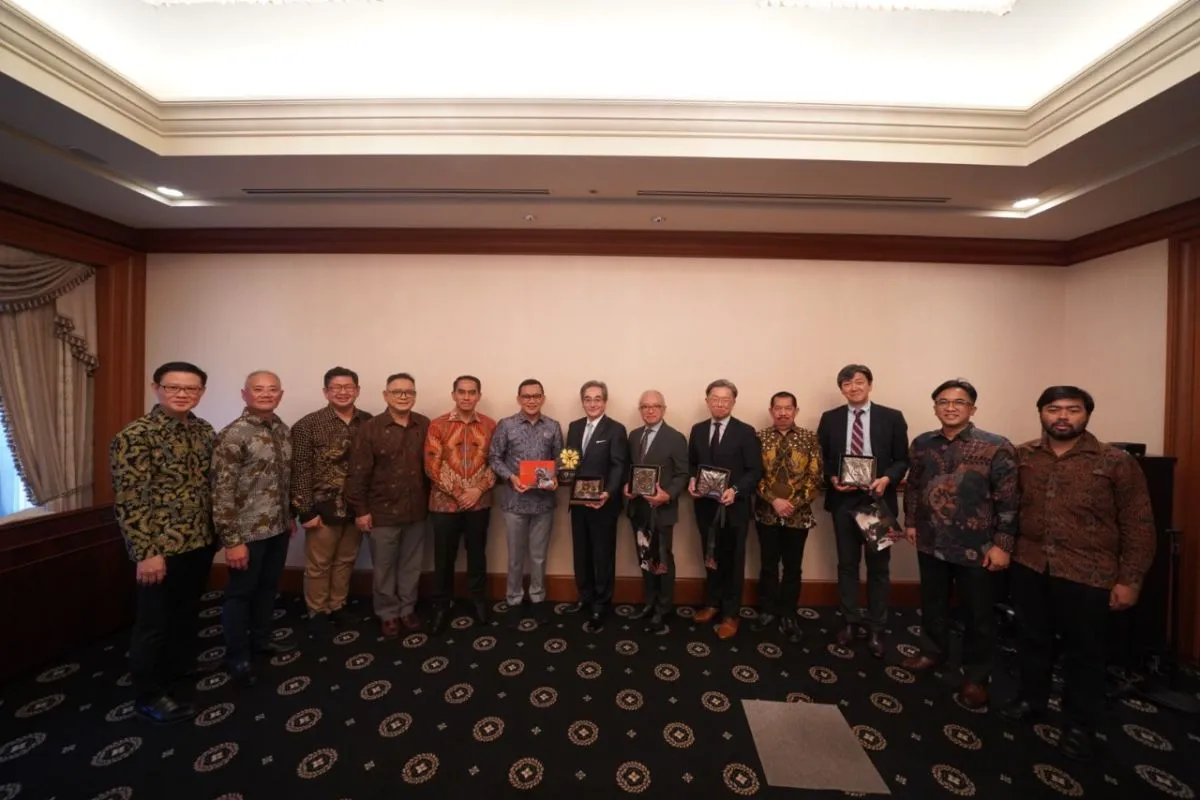
    The Indonesian Business Council (IBC) and the Indonesian Ministry of Migrant Worker Protection are driving strategic reforms to increase Indonesian participation in Japan’s Specified Skilled Worker (SSW) program, which plans to absorb up to 820,000 foreign workers by 2029.

    Indonesia’s current contribution to the program stands at only about 12 %, far behind countries like Vietnam at 59 %, highlighting a competitiveness gap that Jakarta aims to close.

    The initiative emphasises expanding training, certification recognition, Japanese language proficiency, and worker protection — as well as removing barriers from recruitment to placement — through government, industry, and international partnerships. A Memorandum of Understanding was signed to formalise cooperation on governance, skills development, financing access, and safeguards for Indonesian workers.

    According to the IBC Institute, increasing placement of Indonesian workers into the SSW program by 30 % could reduce national unemployment and generate significant foreign exchange benefits.

    📌Industry Insight:

    This reflects a shift from low-skilled outbound labour toward strategic workforce diplomacy — positioning Indonesian workers as competitive, certified talent in advanced job markets. It also highlights the critical role of policy alignment, training infrastructure, and bilateral cooperation in creating sustainable international job pathways.


    Helpmate Solutions monitors industry shifts and labour-related policy developments to keep stakeholders informed of changes that may affect manpower planning and sector demands.

    Stay informed · Stay compliant · Stay ahead
  • Indonesia Reinforces Governance of Internship Program With Japan to Boost Workforce Competence

    Indonesia Reinforces Governance of Internship Program With Japan to Boost Workforce Competence

    Image sources: IDXChannel

    Indonesia Reinforces Governance of Internship Program With Japan to Boost Workforce Competence

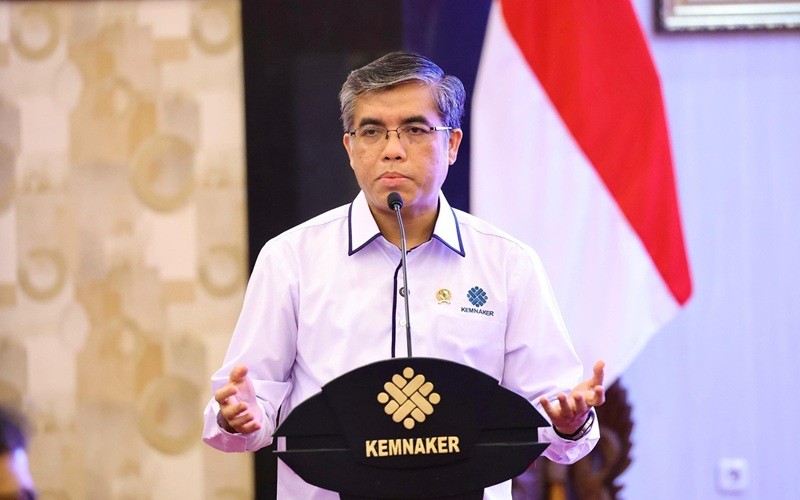
    Indonesia is strengthening governance and skills alignment within its Indonesia–Japan internship and Specified Skilled Worker (SSW) pathways, aiming to improve workforce competitiveness and seize long-term employment opportunities in Japan’s ageing labour market.

    The Indonesian government has emphasised tighter programme oversight, better coordination between sending agencies, training institutions, and employers, as well as stronger worker protection mechanisms. Key priorities include skills certification, language preparedness, transparent recruitment processes, and compliance monitoring throughout the placement cycle.

    Japan remains a critical destination for Indonesian workers, particularly in manufacturing, caregiving, construction, and services. However, competition from other ASEAN countries has pushed Indonesia to reposition its workforce strategy — shifting from volume-driven placement toward quality-driven, skills-based deployment.

    📌Industry Insight:

    This development reflects a broader regional trend: labour-sending countries are investing in governance and capability building to remain competitive in regulated foreign labour markets. For employers and manpower partners, compliance, documentation accuracy, and structured workforce planning are becoming just as important as recruitment speed.


    Helpmate Solutions monitors industry shifts and labour-related policy developments to keep stakeholders informed of changes that may affect manpower planning and sector demands.

    Stay informed · Stay compliant · Stay ahead
  • Malaysia’s Neutral Foreign Policy — Strategic Advantage Amid US–China Rivalry

    Malaysia’s Neutral Foreign Policy — Strategic Advantage Amid US–China Rivalry

    Image sources: United World International

    Malaysia’s Neutral Foreign Policy — Strategic Advantage Amid US–China Rivalry

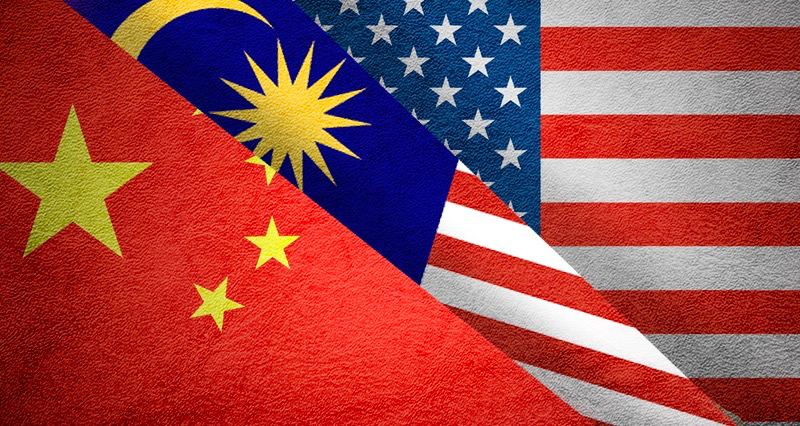
    Malaysia’s neutral foreign policy in the ongoing competition between the United States and China has positioned the country to benefit from diversifying global trade and investment flows. The Malaysian Investment Development Authority (MIDA) highlights that maintaining balanced diplomatic and economic ties with both superpowers allows Malaysia to attract broader foreign investment without being pressured into choosing sides.

    A Strategic Hedging Approach

    Malaysia established diplomatic relations with the US in 1957 and with China in 1974, enabling it to engage economically with both major economies. China continues to be Malaysia’s largest trading partner, while the US remains a significant investor in high-technology sectors. This alignment helps Malaysia benefit from both markets without aligning exclusively with either political bloc.

    Trade and Investment Benefits

    A neutral stance allows Malaysia to capitalise on trade diversions and shifting global supply chains. As global tensions impact sourcing and manufacturing patterns, companies seeking alternatives to deeper entanglement with either the US or China increasingly view Malaysia as a stable and open destination for investment.

    From an economic diplomacy perspective:

    • Malaysia’s position encourages diversified FDI inflows from multiple regions.
    • It strengthens the country’s resilience and economic flexibility in uncertain global conditions.

    Regional and Global Implications

    Maintaining neutrality also supports Malaysia’s role within regional frameworks such as ASEAN and broader Indo-Pacific cooperation, where balanced engagement facilitates economic and diplomatic stability.

    📌Industry Insight:

    For businesses operating or planning to invest in Malaysia, the country’s balanced foreign policy translates into:

    • Greater market access to multiple major economies
    • Reduced geopolitical risk in operational decisions
    • Strong trade ties with both Eastern and Western partners

    By not being forced to align strictly with one bloc, Malaysia remains economically open, competitive, and attractive for multinational partnerships.


    Helpmate Solutions Insight

    In an era of geopolitical shifts and policy alignment, businesses benefit most from partners who understand both manpower operations and the policy landscape shaping them.

    Stay informed · Stay compliant · Stay ahead
  • Malaysia Assumes ASEAN Chairmanship to Strengthen Regional Cooperation and Strategic Leadership

    Malaysia Assumes ASEAN Chairmanship to Strengthen Regional Cooperation and Strategic Leadership

    Image sources: Borneo Post Online

    Malaysia Assumes ASEAN Chairmanship to Strengthen Regional Cooperation and Strategic Leadership

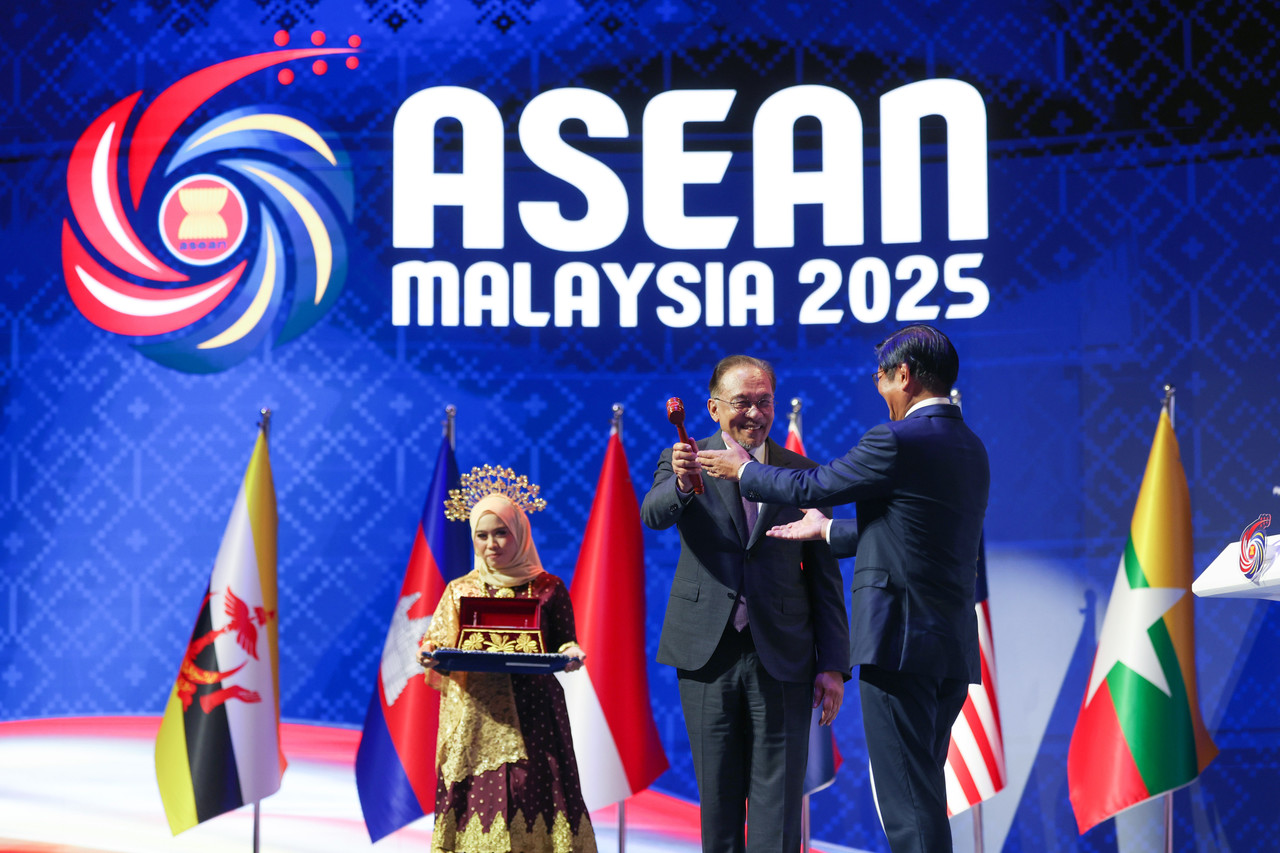
    Malaysia has formally assumed the 2025 ASEAN Chairmanship, marking its fifth time leading the Association of Southeast Asian Nations since the organisation’s establishment in 1967. As ASEAN Chair, Malaysia is committed to driving regional cooperation, enhancing multilateral diplomatic relations, and shaping a prosperous and stable ASEAN community.

    Under the theme “Inclusivity and Sustainability,” Malaysia will host more than 300 key meetings and programmes throughout the year, spanning the ASEAN Economic Community (AEC), ASEAN Political-Security Community (APSC), and ASEAN Socio-Cultural Community (ASCC).

    The Chairmanship also includes strategic initiatives such as the inaugural ASEAN–Gulf Cooperation Council (GCC) Plus China Summit, which will enhance cooperation with external partners and elevate ASEAN’s global role.

    Malaysia aims to advance the ASEAN Community Vision 2045, a long-term blueprint guiding ASEAN’s socio-economic, political, and cultural integration through collaborative regional frameworks.

    📌Industry Insight:

    Assuming the ASEAN Chair positions Malaysia at the forefront of regional diplomacy. Beyond ceremonial leadership, the role enables the country to influence key policy dialogues spanning economic integration, digital cooperation, workforce development, and geopolitical alignment.


    Helpmate Solutions Insight

    These developments send important signals to business communities in ASEAN — especially for sectors that depend on inter-regional mobility, trade, and regulatory harmonisation.

    Stay informed · Stay compliant · Stay ahead
  • Citizenship, Compliance, and National Policy: Malaysia’s Clear Stand

    Citizenship, Compliance, and National Policy: Malaysia’s Clear Stand

    Image sources: Bernama

    Citizenship, Compliance, and National Policy: Malaysia’s Clear Stand

    The Malaysian government has reaffirmed that citizenship will not be granted easily, including for children born in Malaysia who do not have identity cards, Minister of Home Affairs Datuk Seri Hamzah Zainudin stated during a parliamentary session.

    According to the Home Ministry, being born in Malaysia does not automatically confer citizenship. Instead, citizenship status is determined by the marital status and citizenship of the biological parents at the time of birth, in accordance with the Federal Constitution and the Malaysian Citizenship Regulations 1964.

    The Minister explained that citizenship applications must be supported by valid documents, and improvements have been made to the Standard Operating Procedure (SOP) to shorten processing times for complete applications received from 2020 onward.

    For children without identity cards or whose status is undetermined, guardians must submit valid applications, and they may be assisted by a special committee to ensure proper review and documentation.

    Policy Insight:

    This government stance highlights the importance Malaysia places on upholding constitutional and legal criteria for citizenship. While concerns such as statelessness are acknowledged, the emphasis remains on proper documentation and rule-based processing to protect both individual rights and national legal integrity. The improved SOP suggests the government is balancing efficiency with robust verification standards.


    Helpmate Solutions Insight

    Forward-looking Insight: Countries tightening citizenship norms often signal broader immigration governance shifts — where labour policy, social protection, and national security intersect.

    Stay informed · Stay compliant · Stay ahead
  • Malaysia Immigration: Foreign Worker Services (IMI)

    Malaysia Immigration: Foreign Worker Services (IMI)

    Image Sources: Titans Workforce

    Malaysia’s Foreign Worker Framework: A Compliance-Centric System

    As businesses expand beyond borders, global hiring is no longer driven solely by speed or cost. Recent trends point to a clear shift toward structured, compliance-driven workforce solutions, particularly as governments strengthen labour regulations and enforcement.

    Industry observations, including insights highlighted by RemotePEO, show that companies are increasingly relying on professional employment organisations (PEOs) and compliant manpower partners to manage foreign workers, payroll obligations, documentation accuracy, and regulatory risks. This reflects a growing awareness that improper handling of cross-border employment can lead to serious operational and reputational consequences.

    🔍 Why This Matters Now

    Across regions, labour authorities are tightening oversight on worker documentation and contract legitimacy, employer accountability, cross-border employment compliance, as well as taxation and social security obligations. As a result, non-compliance is no longer a minor administrative issue — it now carries heightened financial, legal, and reputational risks for employers.

    🇲🇾 Malaysia in Context

    These global developments closely mirror the situation in Malaysia. Stricter foreign worker governance, enhanced immigration monitoring, and policy-driven approval processes have increased demand for manpower partners who understand policy interpretation, regulatory timing, accurate submission processes, and long-term compliance management. In this environment, compliance has evolved from a back-office function into a strategic business requirement that directly affects manpower continuity and approval outcomes.

    💡 Industry Insight

    Companies that invest early in compliant workforce structures are better positioned to navigate policy changes, avoid quota disruptions, and maintain operational continuity. In today’s hiring landscape, speed still matters — but compliance is what ensures sustainability.


    Helpmate Solutions continuously tracks manpower and policy updates,
    providing clients with timely and reliable policy insights through our PR network and research.

    Stay informed · Stay compliant · Stay ahead