
Category: Dec

  • UN Experts Flag Widespread Exploitation of Bangladeshi Migrant Workers in Malaysia

    UN Experts Flag Widespread Exploitation of Bangladeshi Migrant Workers in Malaysia

    Image sources: South China Morning Post

    UN Experts Flag Widespread Exploitation of Bangladeshi Migrant Workers in Malaysia

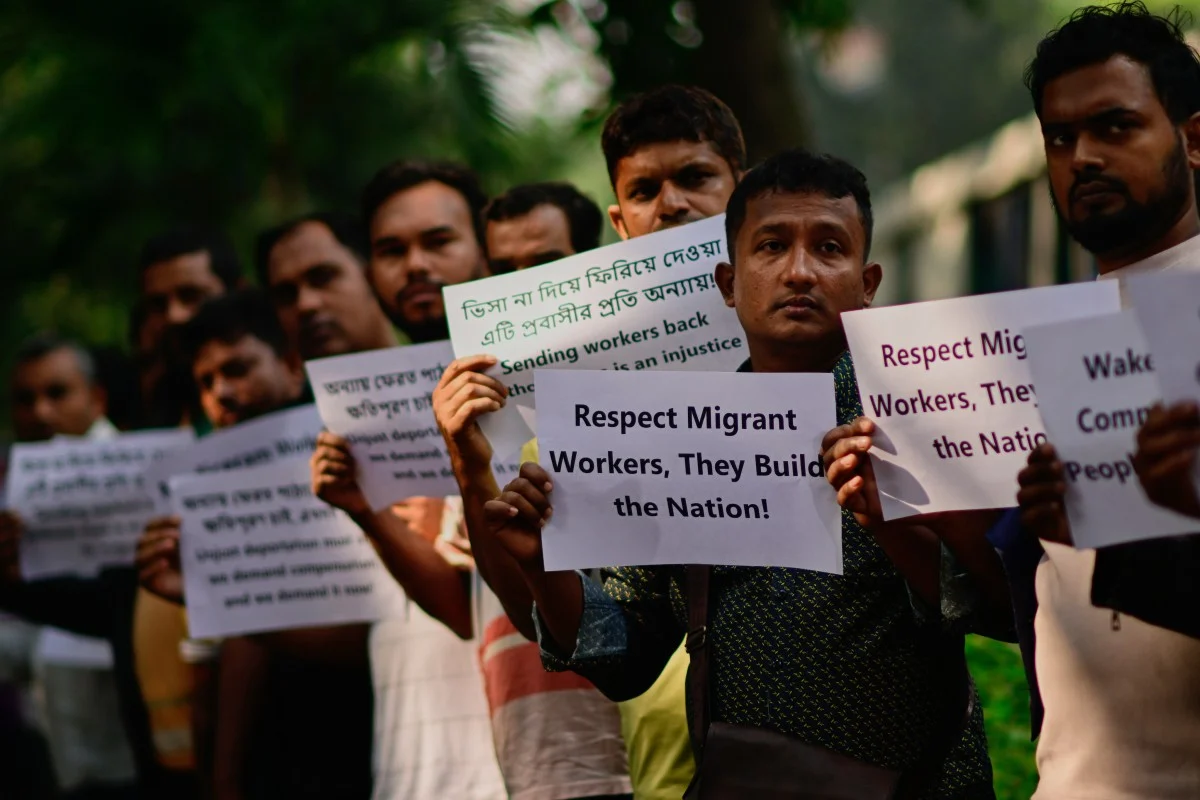
    United Nations human-rights experts have issued serious warnings about “widespread and systematic” exploitation of Bangladeshi migrant workers in Malaysia. Over 800,000 Bangladeshis hold Malaysian work permits, making them the largest documented foreign worker group in the country.

    Reported abuses include exorbitant recruitment fees — often up to five times higher than official rates — confiscation of passports, deceptive job offers, inconsistent contracts, and lack of government support. Workers without proper documentation face severe risks like arrest, detention, and deportation under Malaysia’s strict immigration laws.

    Human-rights groups have also highlighted that upcoming trade rules like the EU’s Forced Labour Regulation (effective 2027) could restrict goods linked to exploitative labour, increasing pressure on employers and authorities to improve migrant work conditions.

    📌Industry Insight:

    These developments underscore the urgent need for stronger labour protection frameworks, more transparent recruitment systems, and international coordination — especially for labour-sending countries like Bangladesh and labour-receiving regions like Malaysia.


    Helpmate Solutions monitors industry shifts and labour-related policy developments to keep stakeholders informed of changes that may affect manpower planning and sector demands.
    Stay informed · Stay compliant · Stay ahead
  • Indonesia’s Strategic Push to Seize 820,000 Job Opportunities in Japan

    Indonesia’s Strategic Push to Seize 820,000 Job Opportunities in Japan

    Image sources: Indonesian Business Council (IBC)

    Indonesia’s Strategic Push to Seize 820,000 Job Opportunities in Japan

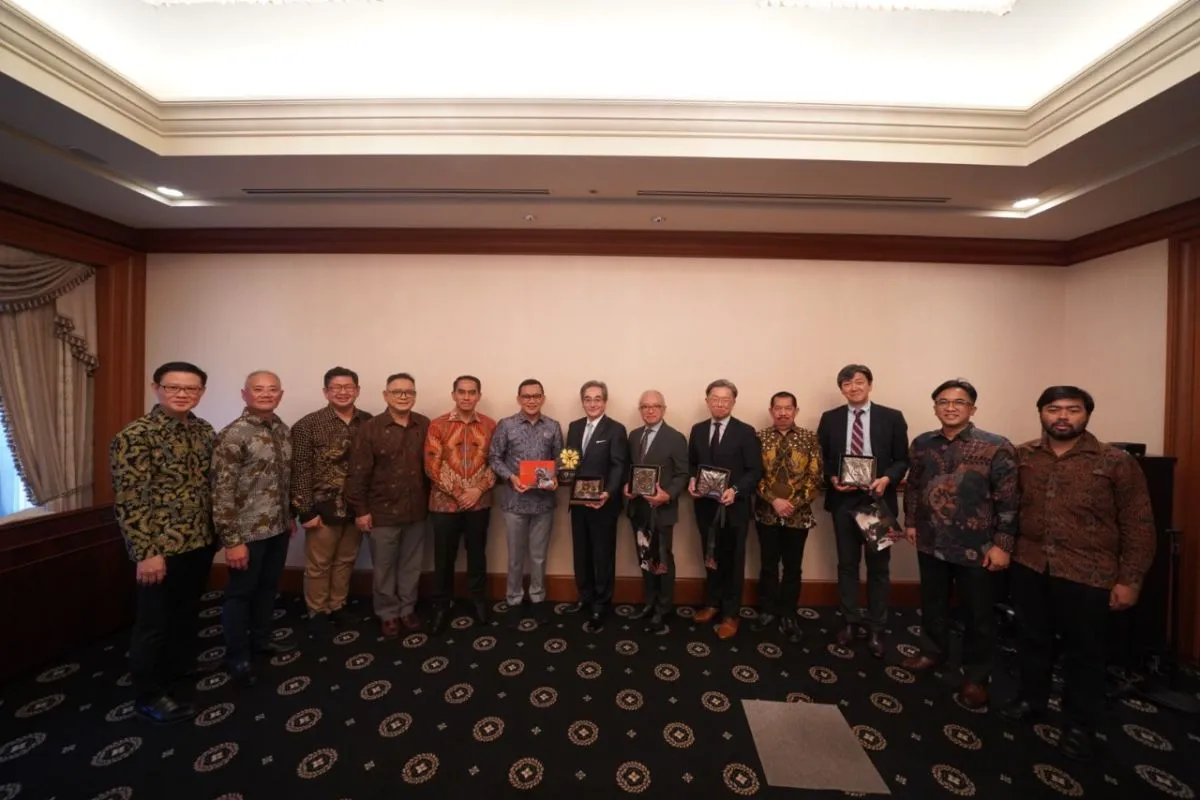
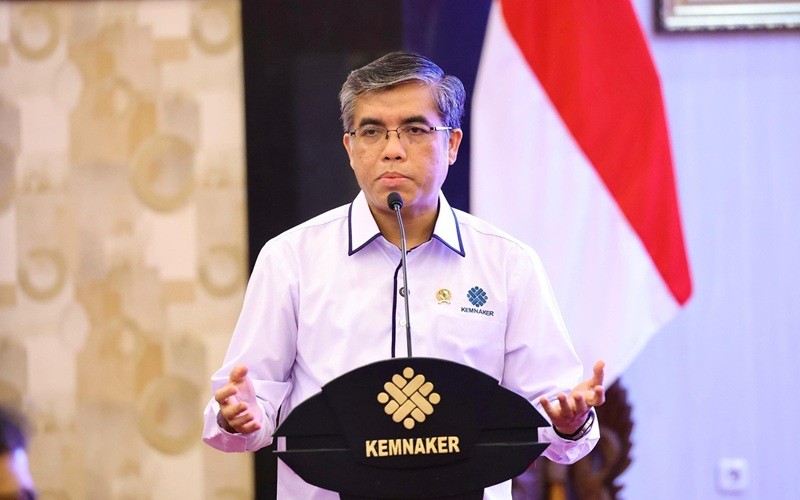
    The Indonesian Business Council (IBC) and the Indonesian Ministry of Migrant Worker Protection are driving strategic reforms to increase Indonesian participation in Japan’s Specified Skilled Worker (SSW) program, which plans to absorb up to 820,000 foreign workers by 2029.

    Indonesia’s current contribution to the program stands at only about 12 %, far behind countries like Vietnam at 59 %, highlighting a competitiveness gap that Jakarta aims to close.

    The initiative emphasises expanding training, certification recognition, Japanese language proficiency, and worker protection — as well as removing barriers from recruitment to placement — through government, industry, and international partnerships. A Memorandum of Understanding was signed to formalise cooperation on governance, skills development, financing access, and safeguards for Indonesian workers.

    According to the IBC Institute, increasing placement of Indonesian workers into the SSW program by 30 % could reduce national unemployment and generate significant foreign exchange benefits.

    📌Industry Insight:

    This reflects a shift from low-skilled outbound labour toward strategic workforce diplomacy — positioning Indonesian workers as competitive, certified talent in advanced job markets. It also highlights the critical role of policy alignment, training infrastructure, and bilateral cooperation in creating sustainable international job pathways.


    Helpmate Solutions monitors industry shifts and labour-related policy developments to keep stakeholders informed of changes that may affect manpower planning and sector demands.

    Stay informed · Stay compliant · Stay ahead
  • Indonesia Reinforces Governance of Internship Program With Japan to Boost Workforce Competence

    Indonesia Reinforces Governance of Internship Program With Japan to Boost Workforce Competence

    Image sources: IDXChannel

    Indonesia Reinforces Governance of Internship Program With Japan to Boost Workforce Competence

    Indonesia is strengthening governance and skills alignment within its Indonesia–Japan internship and Specified Skilled Worker (SSW) pathways, aiming to improve workforce competitiveness and seize long-term employment opportunities in Japan’s ageing labour market.

    The Indonesian government has emphasised tighter programme oversight, better coordination between sending agencies, training institutions, and employers, as well as stronger worker protection mechanisms. Key priorities include skills certification, language preparedness, transparent recruitment processes, and compliance monitoring throughout the placement cycle.

    Japan remains a critical destination for Indonesian workers, particularly in manufacturing, caregiving, construction, and services. However, competition from other ASEAN countries has pushed Indonesia to reposition its workforce strategy — shifting from volume-driven placement toward quality-driven, skills-based deployment.

    📌Industry Insight:

    This development reflects a broader regional trend: labour-sending countries are investing in governance and capability building to remain competitive in regulated foreign labour markets. For employers and manpower partners, compliance, documentation accuracy, and structured workforce planning are becoming just as important as recruitment speed.


    Helpmate Solutions monitors industry shifts and labour-related policy developments to keep stakeholders informed of changes that may affect manpower planning and sector demands.

    Stay informed · Stay compliant · Stay ahead
  • 34,000 Plantation Worker Quotas Approved to Safeguard Production Output

    34,000 Plantation Worker Quotas Approved to Safeguard Production Output

    Image sources: TheEdgeMalaysia

    34,000 Plantation Worker Quotas Approved to Safeguard Production Output

    The Malaysian government has approved over 34,000 foreign worker quotas for plantation companies to address persistent labour shortages, particularly in palm oil and rubber estates. The sector has long struggled with vacancies due to the physically demanding nature of the work and limited local interest.

    The additional quotas aim to stabilise harvesting cycles, reduce crop losses, and maintain export productivity — critical for a sector that contributes significantly to national revenue.

    While the move helps in the short term, the government continues to emphasise mechanisation and long-term workforce restructuring to reduce reliance on foreign labour.


    Helpmate Solutions monitors industry shifts and labour-related policy developments to keep stakeholders informed of changes that may affect manpower planning and sector demands.
    Stay informed · Stay compliant · Stay ahead
  • Foreign Worker Recruitment Now Allowed in Malaysia’s Land-Warehousing Sub-Sector

    Foreign Worker Recruitment Now Allowed in Malaysia’s Land-Warehousing Sub-Sector

    Image sources: Fulfillworks

    Foreign Worker Recruitment Now Allowed in Malaysia’s Land-Warehousing Sub-Sector

    Malaysia has expanded foreign worker eligibility to include the land-warehousing sub-sector, a category covering core warehouse operations such as goods handling, packing, stock organisation and on-ground logistics support.
    This update aims to ease manpower shortages that have affected warehouse and distribution centres in recent years, especially as e-commerce and supply-chain activities continue to grow.

    For companies in logistics and warehousing, the change provides an additional staffing option to strengthen daily operations, reduce workflow disruption and support faster turnaround times.
    While this is not a complete solution to all manpower challenges, it offers businesses more flexibility when planning for operational demand and peak seasons.


    Helpmate Solutions monitors industry shifts and labour-related policy developments to keep stakeholders informed of changes that may affect manpower planning and sector demands.

    Stay informed · Stay compliant · Stay ahead
  • Foreign Worker Numbers Down 13% in 2025 — Key Industries See Major Shifts

    Foreign Worker Numbers Down 13% in 2025 — Key Industries See Major Shifts

    Image sources: Scoop

    Foreign Worker Numbers Down 13% in 2025 — Key Industries See Major Shifts

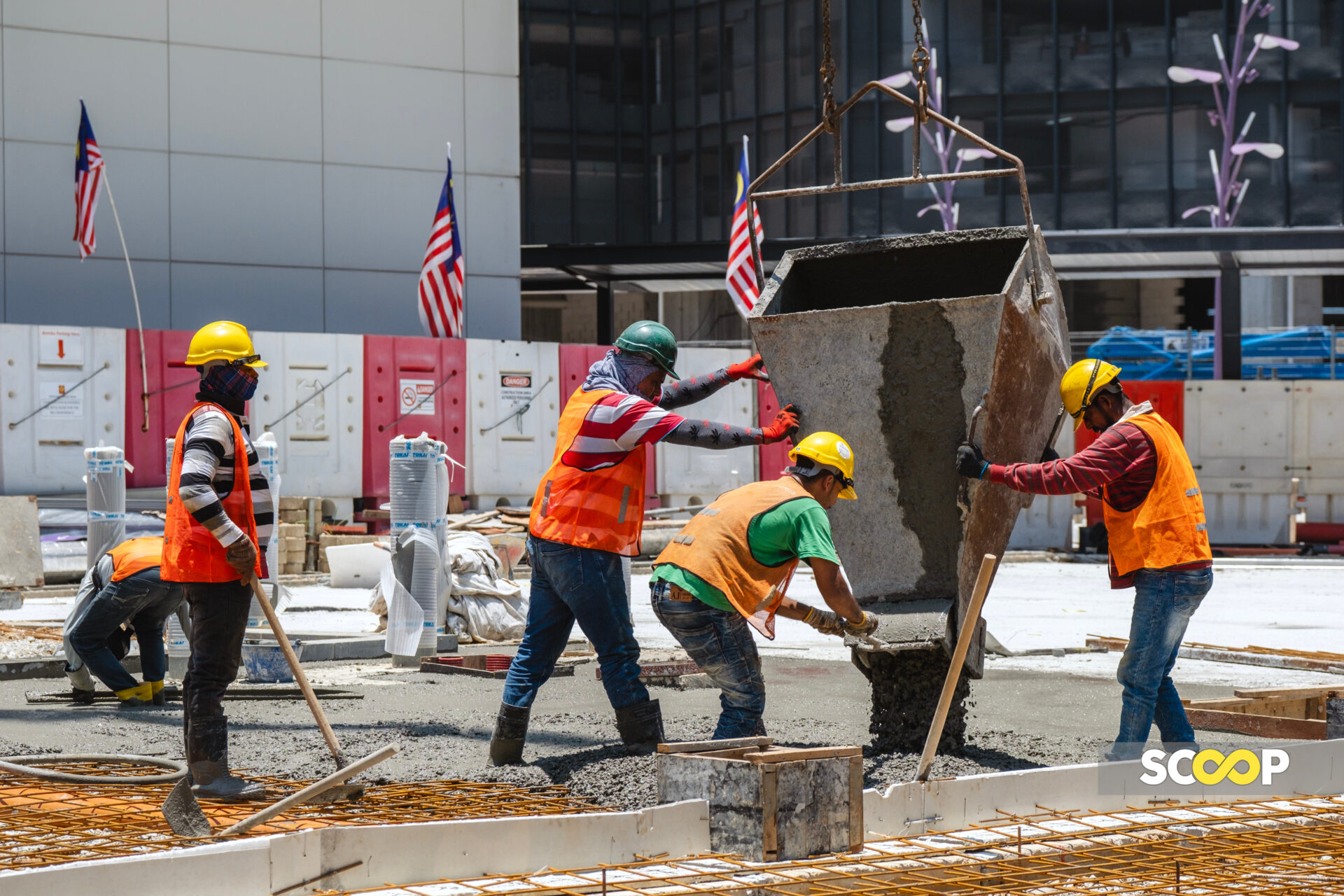
    According to the latest report from New Straits Times, Malaysia recorded 2,132,578 active foreign workers as of 15 October 2025 — a 13% decrease from 2,452,010 workers during the same period last year.

    The breakdown across major sectors shows:

    • Manufacturing: 622,388
    • Construction: 589,684
    • Services: 390,607
    • Plantation: 263,131
    • Agriculture: 158,628
    • Domestic helpers: 107,375
    • Mining & Quarrying: 765

    This decline reflects the government’s ongoing initiative to reduce reliance on foreign labour. Under the 12th and 13th Malaysia Plans, the foreign worker ratio must not exceed 15% of the national workforce, with future targets aiming for 10% by 2030 and 5% by 2035.

    The continued quota freeze (since March 2023), upcoming Multi-Tier Levy (2026), and expansion of TVET training signal a long-term structural shift in Malaysia’s labour market.


    Helpmate Solutions monitors industry shifts and labour-related policy developments to keep stakeholders informed of changes that may affect manpower planning and sector demands.

    Stay informed · Stay compliant · Stay ahead